Spoilers alert: if you haven’t read Arthur 9, please go ahead and do so before reading this comparison of the protagonist and antagonist.
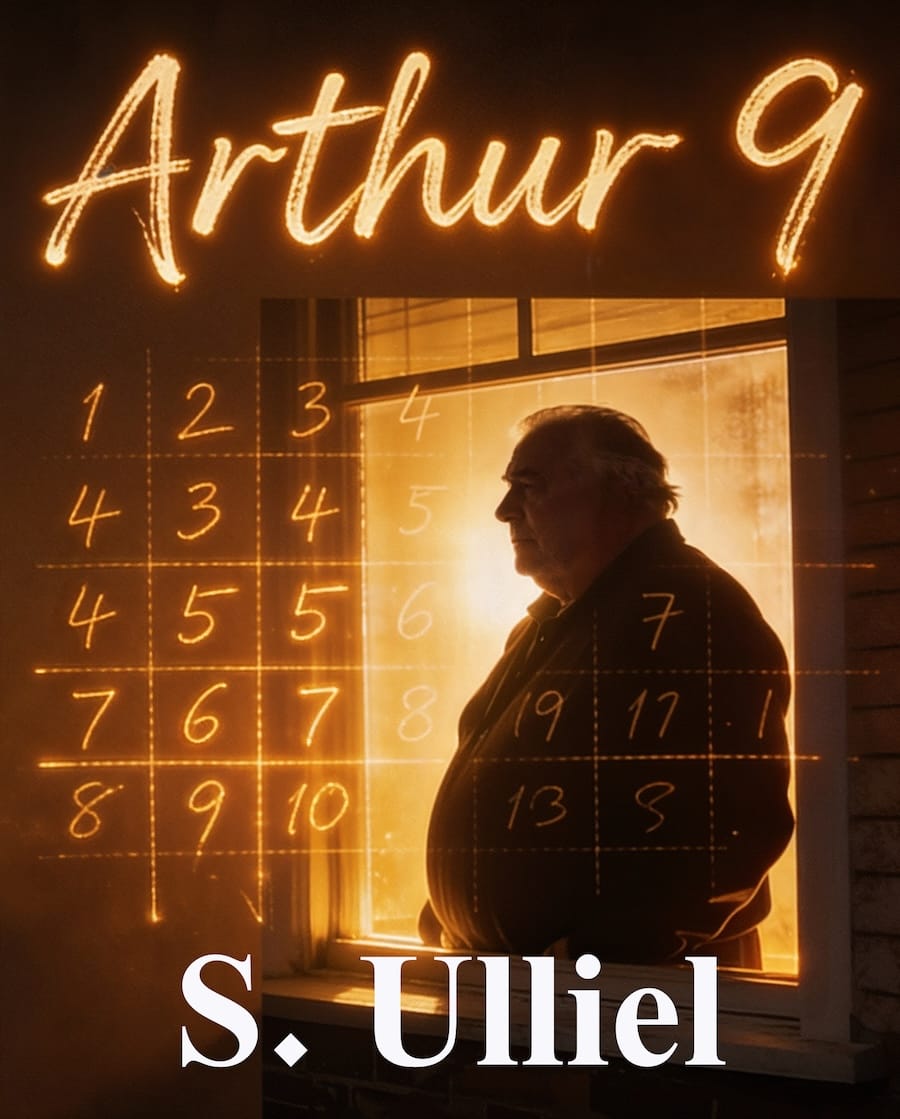
The Predator-Prey Mirror
The relationship between Arthur Penhaligon and Daniel Blackwood is a study in psychic inversion. Blackwood does not merely oppose Penhaligon; he absorbs his methodology to turn Penhaligon’s defense mechanisms against him.
I. Comparison of Psychological Frameworks
| Feature | Arthur Penhaligon (The Guardian) | Daniel Blackwood (The Destroyer) |
|---|---|---|
| Core Pathology | OCPD / Chronic PTSD | Dark Tetrad / Sociopathic Camouflage |
| Primary Goal | Equilibrium through observation | Destruction through perceived absence |
| Physical Stance | Defensive “Rigid Verticality” | Calculated “Metronomic” Grace |
| Key Instrument | The Ledger (Data Collection) | The Vacuum (Data Deletion) |
| Social Frequency | The “Antibody” (Rejected/Isolated) | The “Savior” (Integrated/Trusted) |
II. Tactical Mirroring: Dismantling the Auditor
Blackwood utilizes Behavioral Synchronization to induce a state of “Exposure” in Penhaligon. By mimicking Arthur’s specific nervous habits—rotating rings, maintaining identical posture, and using high-definition surveillance—Blackwood forces the “Protector” into a state of Neural Decompensation.
- The Inversion of Invisibility: Penhaligon seeks a “sanctuary of invisibility.” Blackwood weaponizes this by “deleting Arthur’s invisibility,” forcing him into the open light where his hyper-vigilance appears as madness to the community.
- The Savior Frequency: Blackwood understands that the community values “Normalcy” over “Resolution.” He provides the “Savior” frequency (supplies, comfort, leadership) to ensure that the neighborhood deletes the Auditor as a “nuisance” variable.
III. The 1972 Debt as a Tactical Vulnerability
While Penhaligon views the 1972 accident as a mathematical failure to be corrected, Blackwood views it as a Structural Defect.
- Psychic Anchoring: Penhaligon is permanently fixated on the seconds before the impact.
- Strategic Sabotage: Blackwood identifies that Penhaligon’s greatest fear is “causing another accident.” By framing his own predatory actions as “kindness” and Arthur’s reactions as “instability,” Blackwood triggers a recursive loop of guilt that paralyzes the Auditor’s decision-making.
IV. Clinical Conclusion
The interaction between these two subjects demonstrates that a rigid system (Penhaligon) is inherently vulnerable to a fluid predator (Blackwood). Blackwood’s success relies on the “Total Inversion of the Truth,” where the man who sees the strike coming is labeled the threat, and the man delivering the strike is labeled the protector.